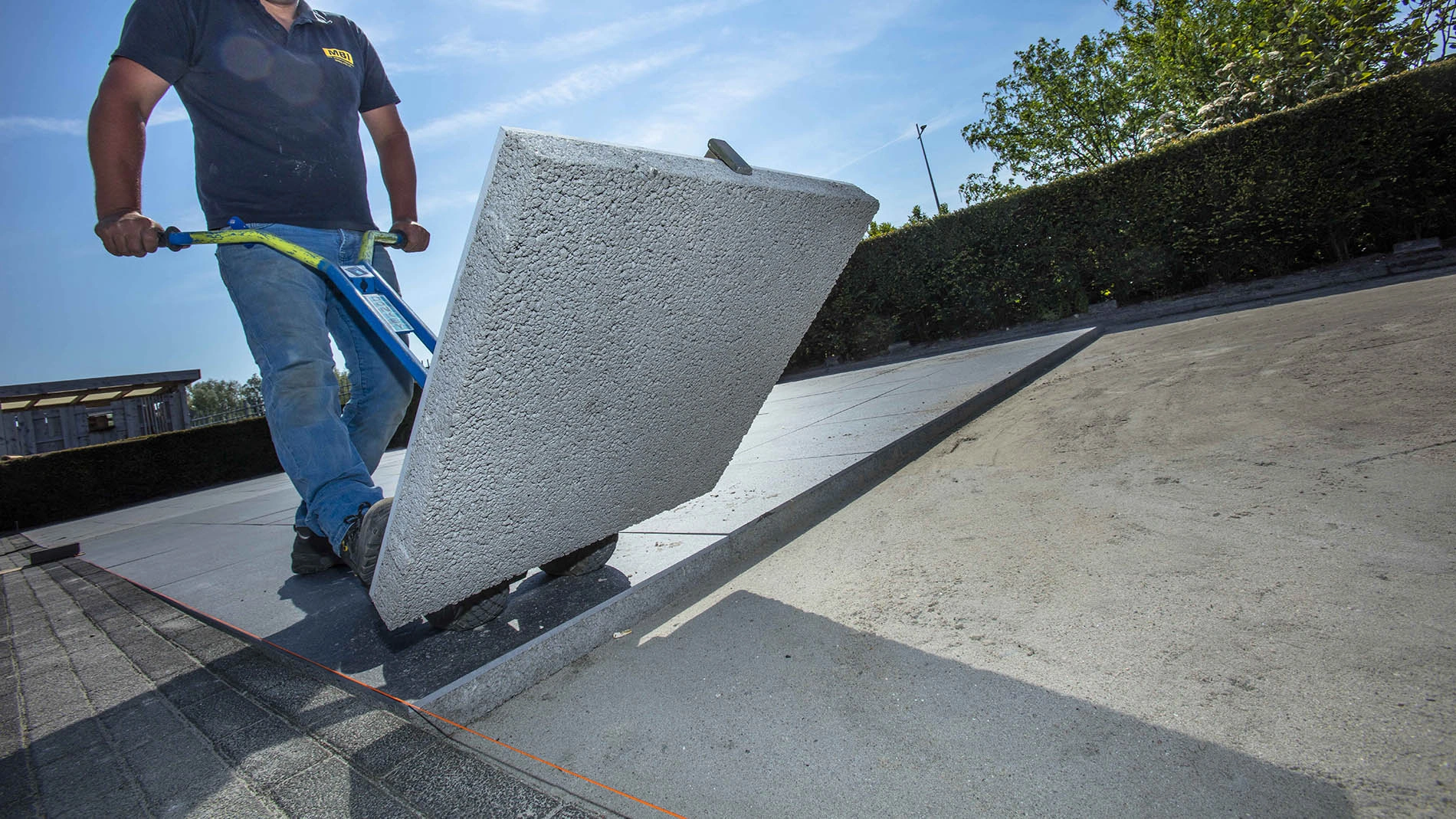
GeoCeramica® installation is quickly becoming a preferred method among contractors looking to deliver premium outdoor surfaces with long-term reliability. By combining a porcelain surface with a structural concrete base, this system simplifies installation while improving performance over traditional paving methods. Unlike standard porcelain slabs, GeoCeramica® can be installed directly over an open-graded base—making it ideal for contractors who want efficiency without compromising durability.
What Is GeoCeramica® and Why Contractors Prefer It
GeoCeramica® is an engineered outdoor slab system designed to bridge the gap between aesthetics and structural performance.
Each unit includes:
- A high-performance porcelain surface
- A reinforced concrete base
- Built-in spacer bars for consistent jointing
Why It Matters on the Job Site
For contractors, this means:
- Faster installation compared to pedestal or mortar systems
- Reduced callbacks due to movement or failure
- Consistent joint spacing without manual adjustment
The result? A system that installs like a paver but delivers a high-end architectural finish.
Best Applications for GeoCeramica® Installation
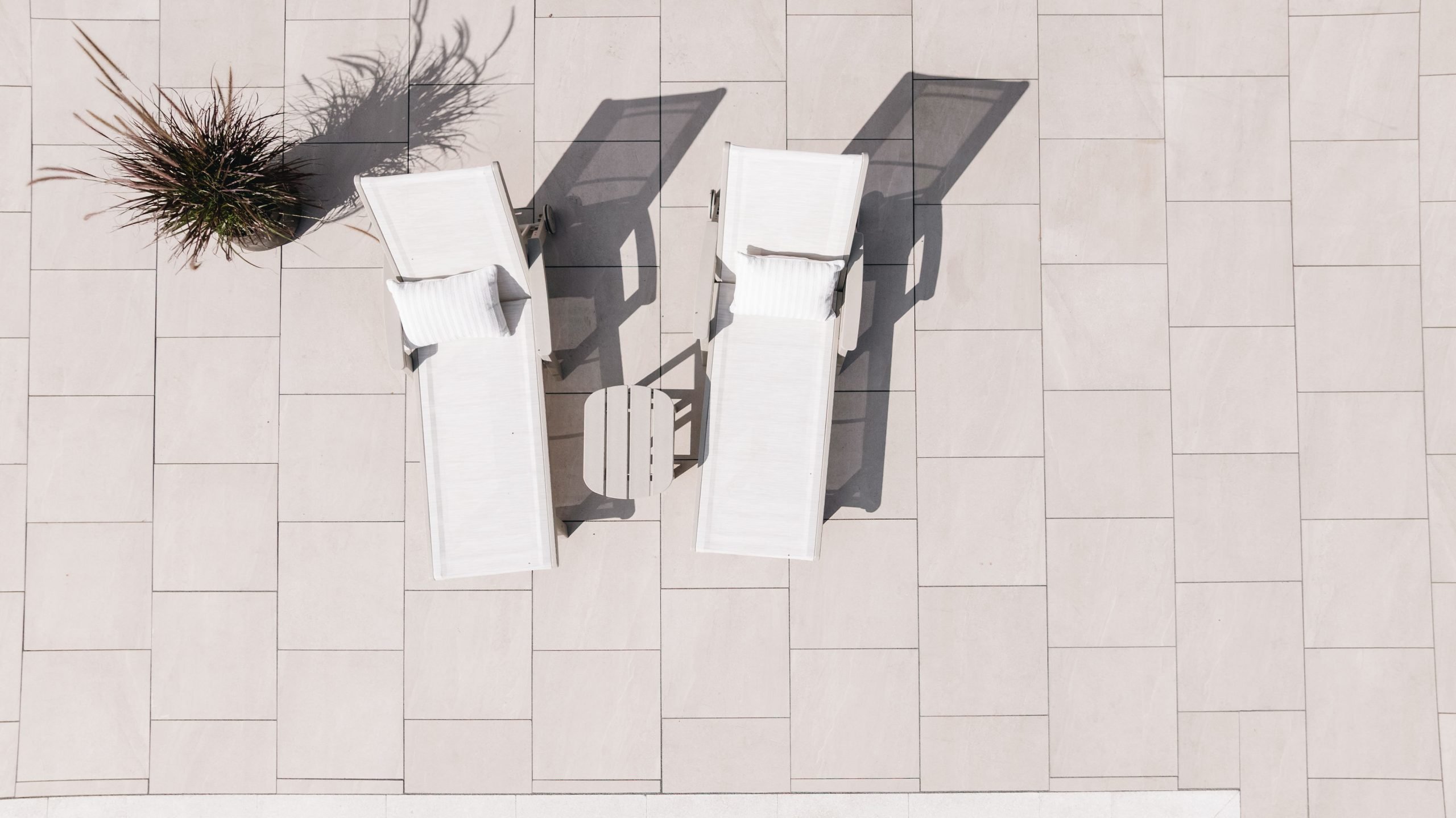
GeoCeramica® installation is suitable for both residential and commercial projects, including:
- Backyard patios and outdoor living spaces
- Walkways and landscape pathways
- Pool decks and surrounds
- Rooftop terraces
- Commercial plazas and amenity areas
- Driveways (with engineered base design)
Large-Format Advantage
Contractors benefit from formats like:
- 12×24 slabs – ideal for linear layouts
- 24×24 slabs – perfect for grid patterns
These larger sizes reduce joint lines and create a cleaner, more modern finish clients expect.
Base Preparation for GeoCeramica® Installation
Base prep is the most critical factor in any successful GeoCeramica® installation.
Recommended Base System
- Compacted, stable subgrade
- Open-graded aggregate base (clear, angular stone)
- Bedding layer: 6–10 mm (¼”–⅜”) clear stone (ASTM #8 or #9)
- Base layer: 19 mm (¾”) clear stone (ASTM #57), depth based on load
Slope and Drainage
- Maintain 1–2% slope (¼” per foot) away from structures
- Ensure consistent grading across the entire surface
Contractor Insight
Open-graded systems:
- Eliminate water retention
- Reduce hydrostatic pressure
- Prevent freeze–thaw damage
This is especially important in Canadian climates where improper drainage leads to costly failures.
GeoCeramica® Installation Steps (Contractor Workflow)
GeoCeramica® installation follows a familiar paver-based workflow but requires greater precision due to slab size.
Step-by-Step Process
- Prepare and compact subgrade and base
- Screed bedding layer evenly
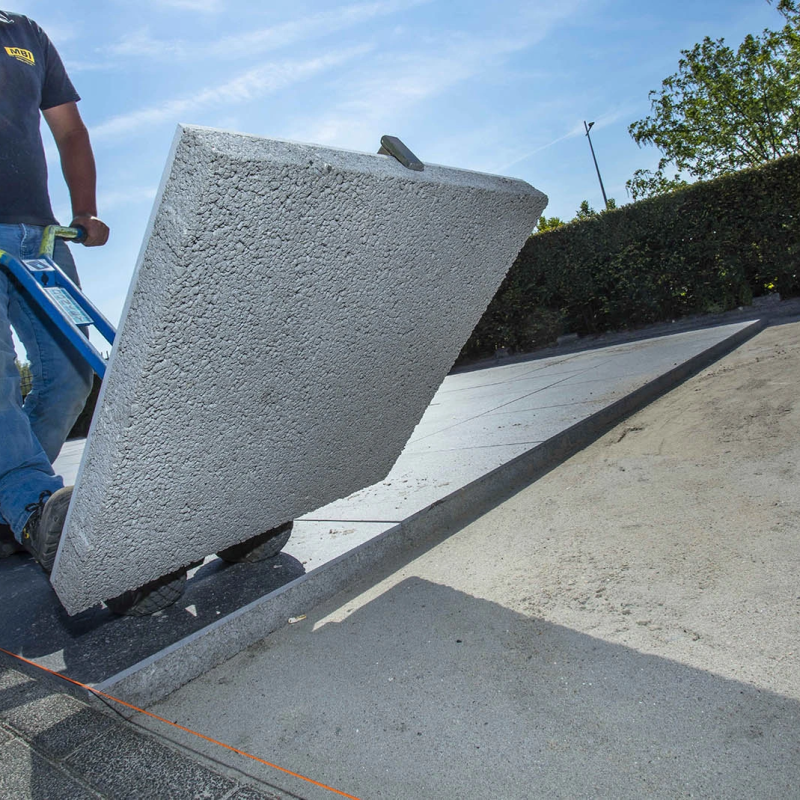
- Place slabs using integrated spacers
- Tap slabs into position with a rubber mallet
- Continue installation in a consistent pattern
Critical Best Practices
- Always place slabs vertically—never slide into position
- Ensure full bedding contact to avoid voids
- Do not over-adjust slabs once placed
- Maintain a consistent laying direction
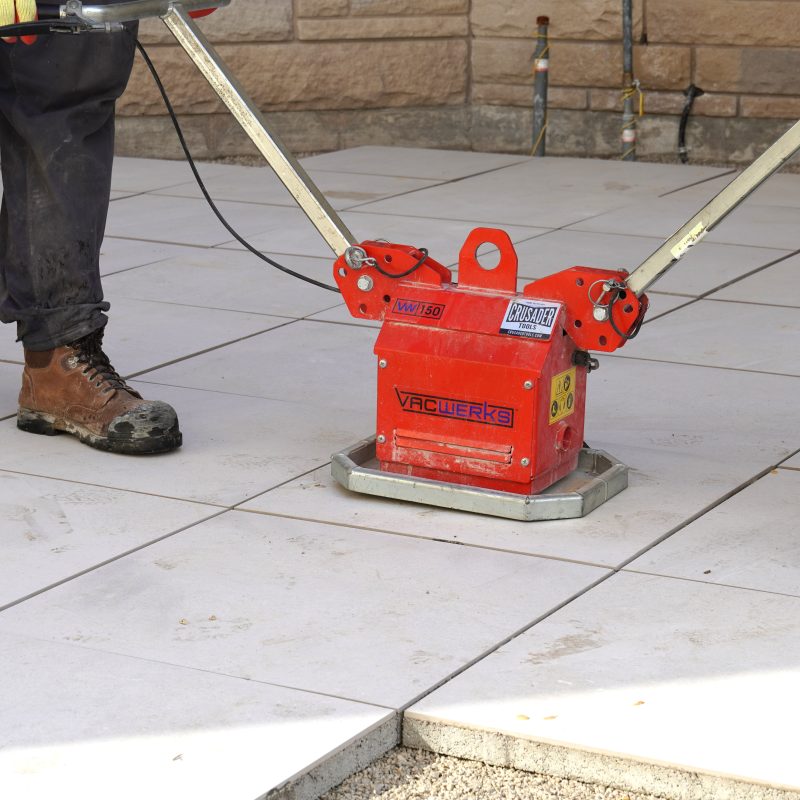
Pro Tip
Because GeoCeramica® slabs are large-format, even minor base inconsistencies will telegraph to the surface. Precision during screeding is non-negotiable
Layout Guidelines for Professional Results
12×24 Layout
- Avoid 50% offset (reduces lippage risk)
- Use a maximum 1/3 stagger
- Linear layouts are preferred for modern designs
24×24 Layout
- Use a grid pattern
- Focus on alignment and symmetry
On-Site Tip
Dry-lay a small section first to confirm pattern alignment before full installation.
Jointing Options for GeoCeramica®
Jointing is essential for system stability and long-term durability.
Recommended Materials
- Polymeric sand – flexible, quick installation
- Resin or cement-based jointing – best for high-traffic or commercial applications
Installation Requirements
- Fully fill joints
- Compact properly
- Follow manufacturer curing guidelines
Improper jointing is one of the most common causes of failure—don’t rush this step.
Compaction and Finishing
After jointing:
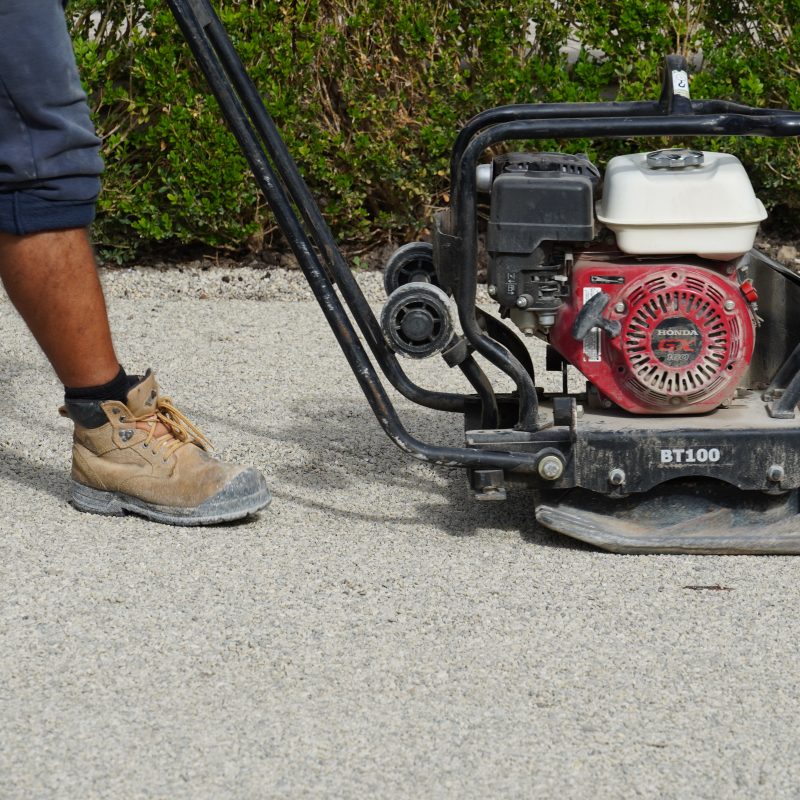
- Use a plate compactor with a protective pad
- Make multiple light passes instead of one heavy pass
- Clean all residue from the surface immediately
Important
Avoid dragging equipment across slabs to prevent surface scratches or edge damage.
Common Mistakes to Avoid in GeoCeramica® Installation
Contractors can avoid costly callbacks by watching for these issues:
- Poor base compaction
- Inconsistent bedding thickness
- Incorrect slope or drainage
- Sliding slabs into place (causes uneven bedding)
- Incomplete joint filling
Fixing these mistakes after installation is time-consuming and expensive—getting it right the first time is key.
Practical Contractor Tips for Efficiency
- Mix slabs from multiple pallets to ensure colour consistency
- Maintain joint spacing of 3–4 mm
- Use string lines or laser levels for accuracy
- Limit foot traffic before joints are fully set
- Handle slabs carefully to avoid chipped edges
Why GeoCeramica® Performs in Canadian Climates
GeoCeramica® installation is ideal for freeze–thaw environments due to:
- Its bonded porcelain–concrete structure
- Open-graded base compatibility
- Superior load distribution
This system significantly reduces:
- Heaving
- Cracking
- Long-term movement
For contractors, that means fewer warranty issues and more satisfied clients.
The Final Result: What Contractors Can Expect
A properly executed GeoCeramica® installation delivers:
- A flat, stable surface
- Minimal maintenance requirements
- High-end visual appeal
- Long-term durability in harsh climates
It’s a system that combines efficiency on-site with premium results for clients.
FAQs About GeoCeramica® Installation
Can GeoCeramica® be installed like traditional pavers?
Yes. GeoCeramica® installation follows a similar process but requires greater precision due to slab size.
Do I need a concrete base?
No. It installs over an open-graded aggregate base, eliminating the need for poured concrete.
What joint width should I use?
Typically 3–4 mm, using the integrated spacers as a guide.
Is it suitable for driveways?
Yes, but only with a properly engineered base designed for vehicular loads.
Can it handle freeze–thaw cycles?
Yes. Its design and base system make it highly resistant to freeze–thaw damage.
What’s the most common installation mistake?
Improper base preparation—this is the leading cause of failure.
Learn More About GeoCeramica® Installation
For full technical resources and specifications, visit: https://www.geoceramicabws.com/